
Digital Competencies for the 21st Century: Preparing Students for the Future

Author:
Stefania Masi
Istituto di Istruzione Superiore ’U. Di Pasca – G.Fortunato’ Potenza, Italy
In a rapidly changing world, digital skills have become a key competency for students, teachers, and society as a whole. These skills are not just an addition to education but a fundamental component that prepares young people for future challenges and opportunities. Within the Urban Expeditio project, digital competencies are at the core, enabling students to develop critical thinking, creativity, and technological literacy through adventure-based learning, directly preparing them for life and work in the digital age.
Building Digital Skills for Tomorrow
In the 21st century, digital skills go far beyond basic digital literacy. They include:
• Critical Thinking – the ability to analyse information, identify problems, and make informed decisions.
• Complex Problem Solving – the capacity to apply digital tools to analyse and solve real-world challenges.
• Collaboration in Digital Environments – working in teams using digital platforms and technologies.
• Creative Use of Technology – creating digital content, innovative thinking, and using tools like artificial intelligence (AI) and augmented reality (AR).
In the Urban Expeditio project, the development of these skills is achieved through:
• Adventure-Based Learning with AI Support – students solve tasks and explore urban spaces using artificial intelligence, gaining skills such as data analysis, digital tool use, and technological understanding.
• Gamification in Learning – using games and digital challenges to motivate students, encourage teamwork, and develop digital literacy.
• Interactive Scenarios – through simulations and digital storytelling, students face real-world problems, developing analytical thinking and problem-solving skills.
Example Activity: During the project, students can participate in a “treasure hunt” in their city, using mobile applications to solve challenges that involve analysing urban spaces, identifying problems, and proposing innovative solutions. These activities not only develop digital skills but also encourage students to actively engage with their surroundings.
From Digital Consumers to Digital Creators
Most students today use digital technologies passively – as consumers of content. However, the goal of education in the digital age is to transform them into active creators, innovative thinkers, and problem solvers. Within the Urban Expeditio project, students:
• Create Digital Projects – through activities like “treasure hunts” with digital clues, students become digital explorers.
• Develop Their Own Digital Tools – using simple AI platforms, students can develop their own digital products, such as apps, simulations, or even virtual city tours.
• Learn Through Collaboration – digital skills are developed through group work, joint projects, and the exchange of ideas, fostering creativity and innovation.
• Create Digital Stories – using visualization and storytelling tools, students create interactive stories that combine text, images, sound, and video, developing digital literacy and communication skills.
Example Activity: Participants can develop a digital guide for their city, including maps, virtual tours, and information about local cultural landmarks, using AI for data analysis and content generation.
The Digital Classroom of the Future
In the future, classrooms will not be limited to physical spaces. Digital technologies enable learning on the move, anywhere and anytime. This concept is at the heart of the Urban Expeditio project, which uses urban spaces as dynamic classrooms for students:• Personalized Learning – AI enables personalized tasks tailored to students’ interests and abilities, creating an environment where every student can progress at their own pace.
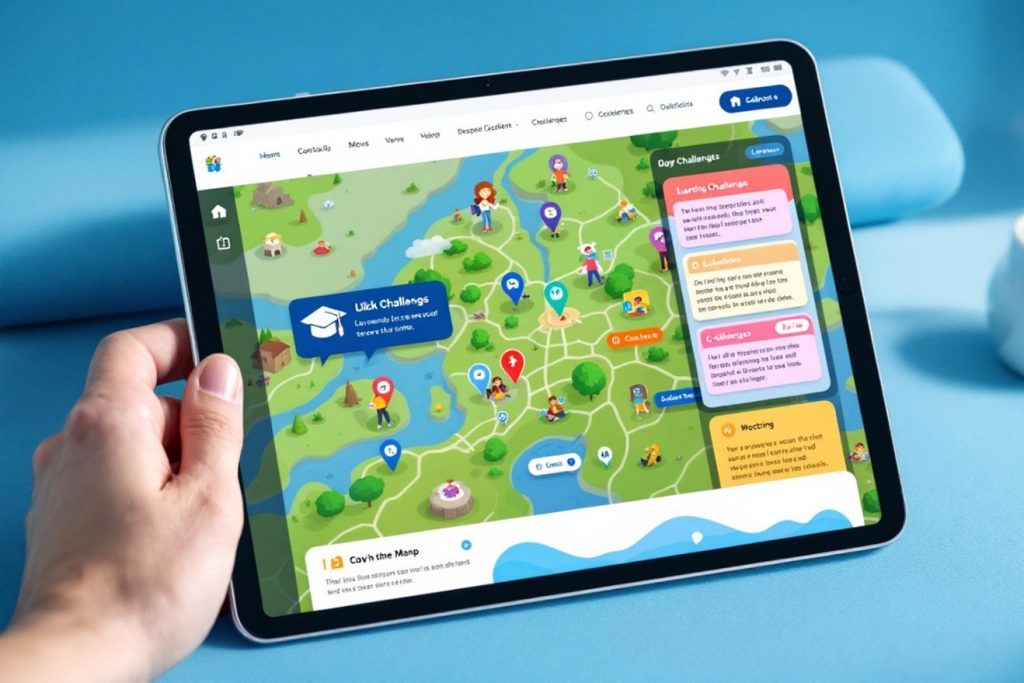
• Interactive Digital Maps – students explore the city using smart devices, discovering new information through digital clues.
• Virtual Reality and Augmented Reality – technologies that allow students to explore virtual worlds and simulate real-life situations, creating deep experiential learning.
• Real-Time Data Analysis – allows teachers to track student progress, identify weaknesses, and adjust tasks according to student needs.
Example Activity: During pilot testing, students can use augmented reality to explore local history or environmental issues in their city, linking real locations to digital information
Conclusion: Empowering the Next Generation of Digital Pioneers
Preparing students for the future requires much more than basic digital skills. It is necessary to develop their creativity, critical thinking, and readiness to take an active role in the digital world. Through projects like Urban Expeditio, students have the opportunity to transform from passive observers into active participants, ready for the challenges of the future.Follow us for more inspiring stories and examples of good practice from the Urban Expeditio project.