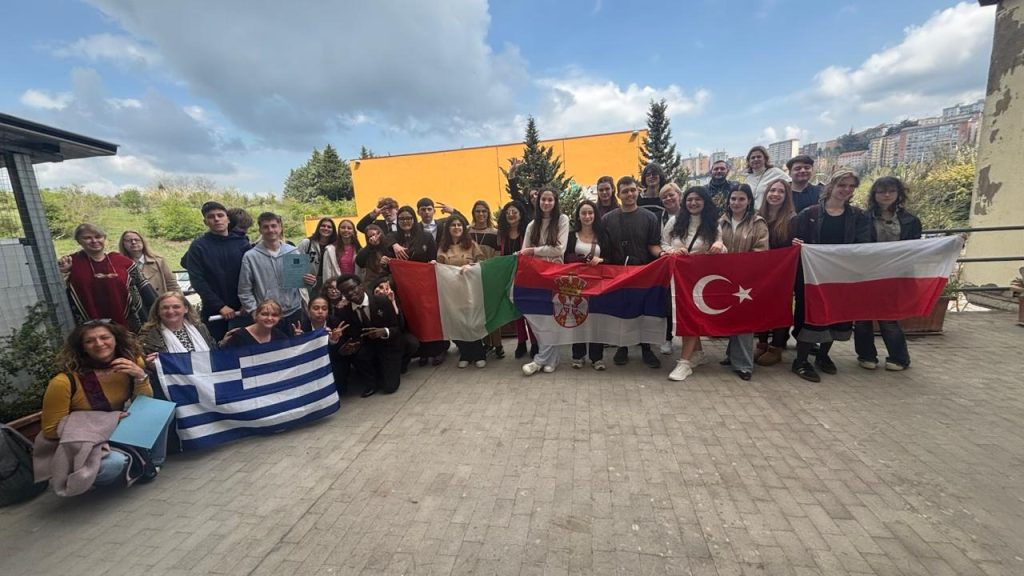
From 15 to 17 April 2026, the Urban Expeditio project partners took part in the international student mobility hosted by I.I.S. “Di Pasca – Fortunato” in Potenza, Italy. The activity gathered students and educators from Poland, Greece, Slovenia, Turkey, Serbia and Italy, creating a dynamic space for cooperation, intercultural exchange and practical exploration of the project methodology.
The mobility was designed around the concept of the “City as a Classroom”, one of the key approaches promoted within the Urban Expeditio project. Through interactive and hands-on activities, students explored how urban spaces, cultural heritage and digital tools can be combined to create engaging educational experiences.
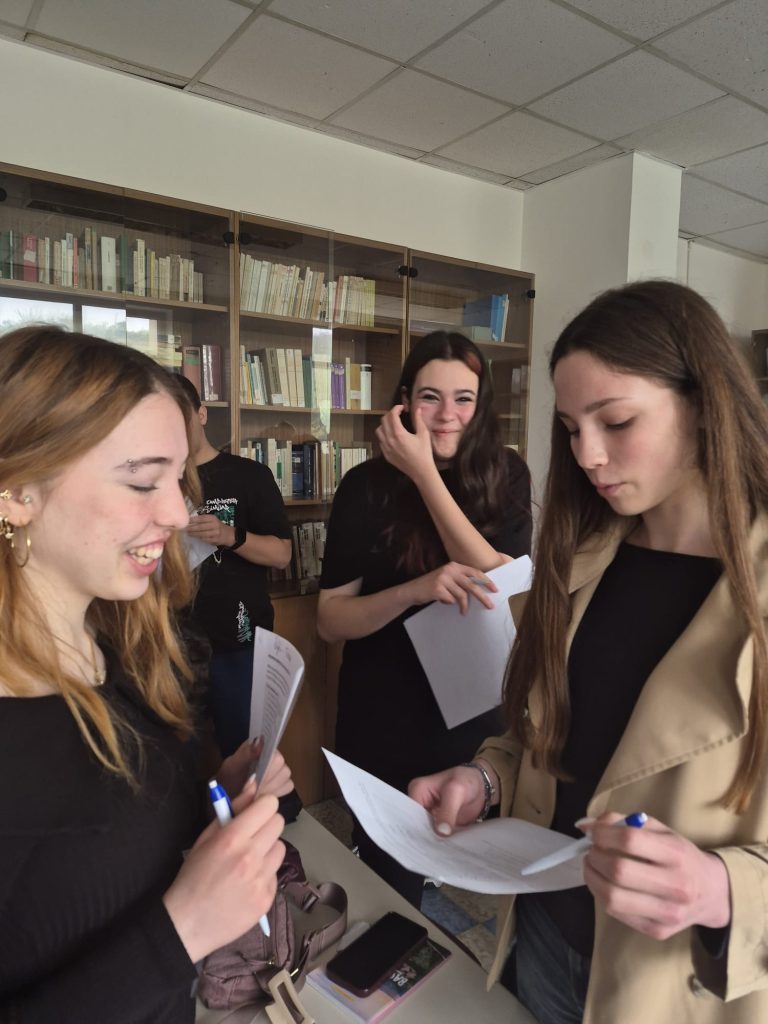
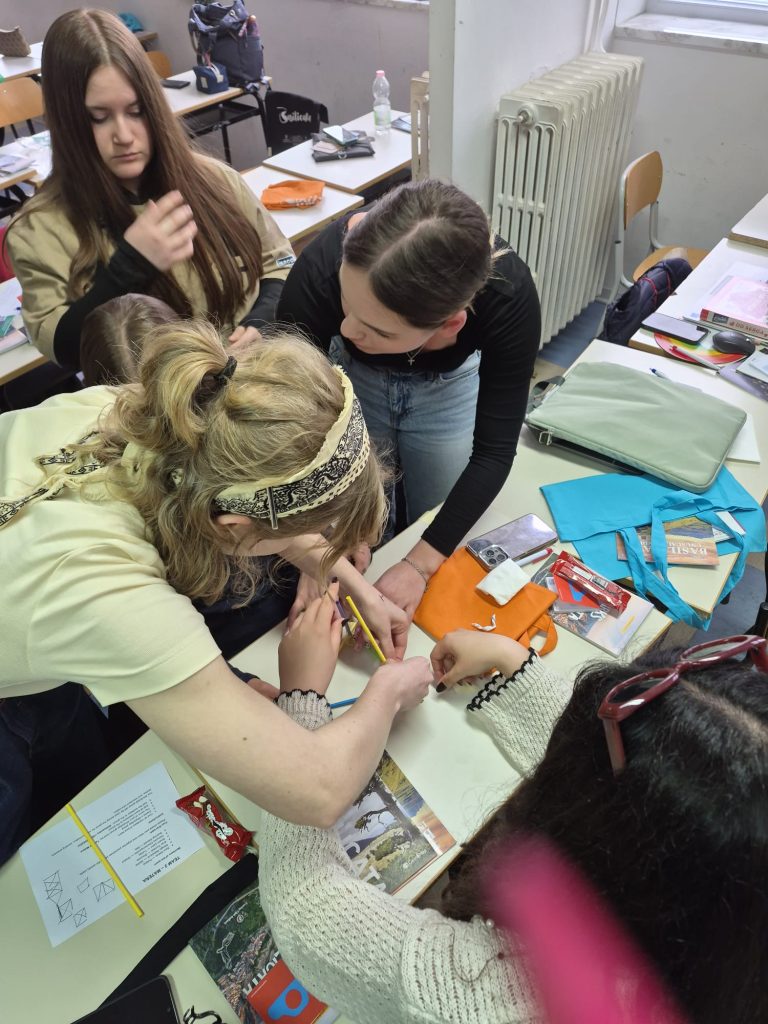
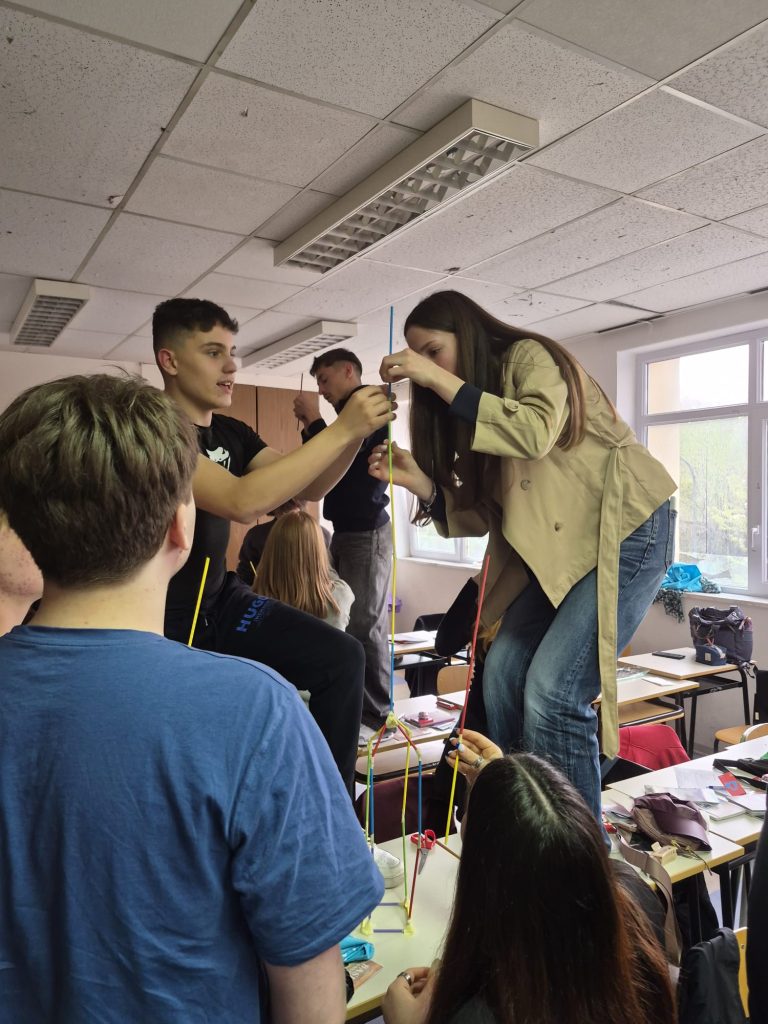
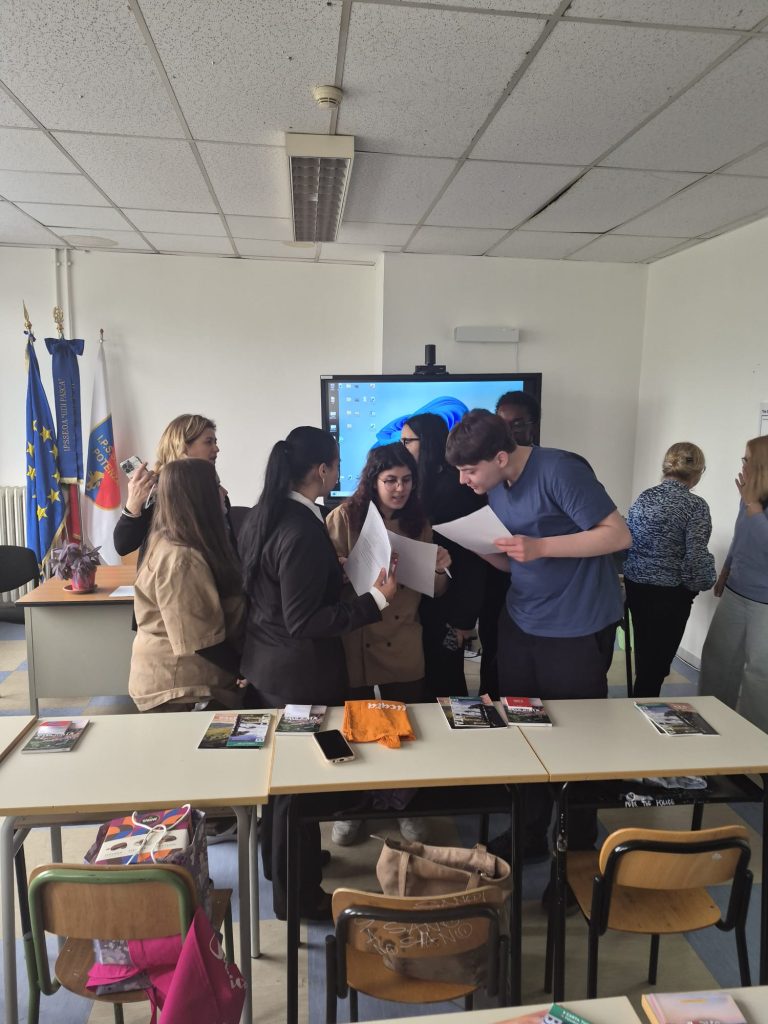
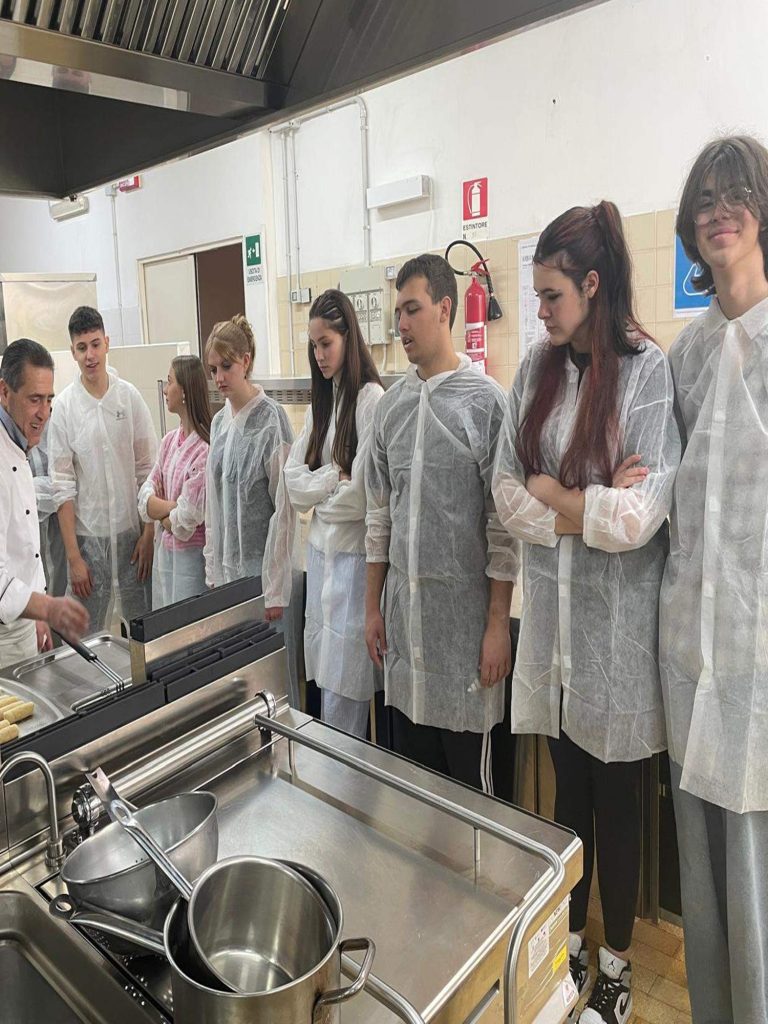
During the first day, participants presented their countries and schools, took part in team-building activities and joined STEM workshops. These activities encouraged cooperation among students from different countries and supported the development of communication, creativity and teamwork skills. One of the most memorable workshops focused on molecular gastronomy, where students explored science through the preparation of molecular ice cream, connecting scientific concepts with everyday experience.
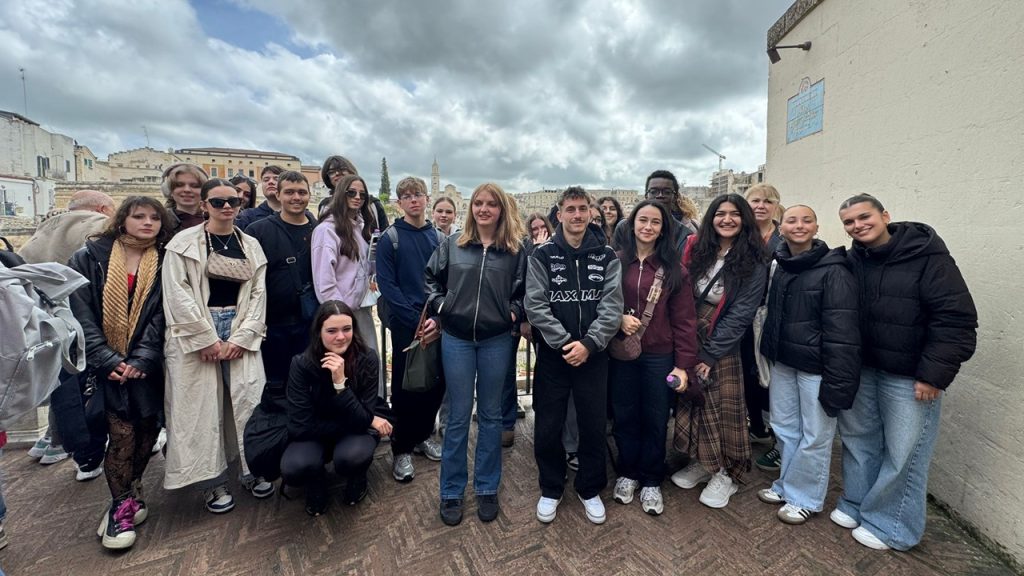
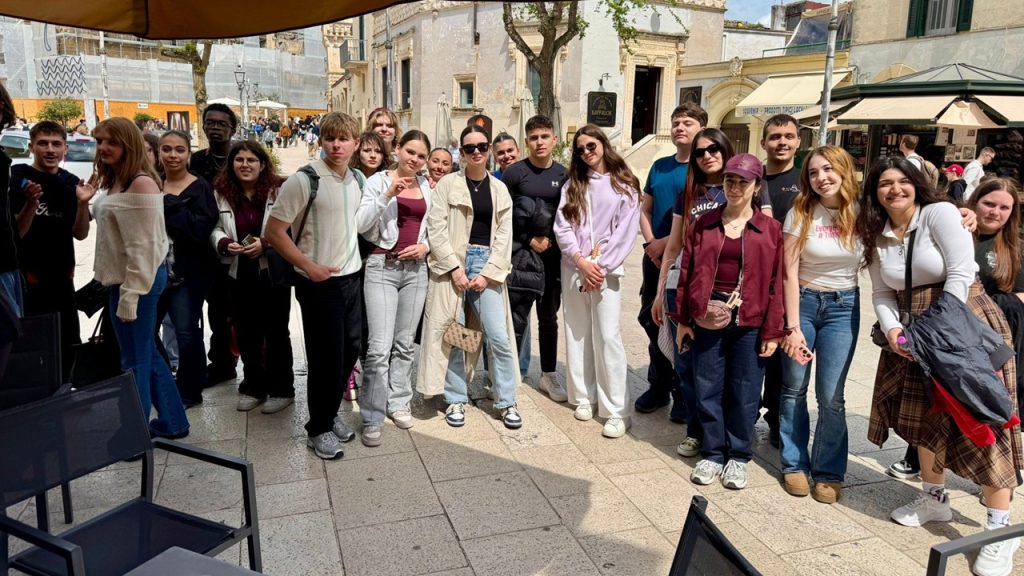
A central part of the mobility was the study visit to Matera, where students participated in an Urban Treasure Hunt. Working in international teams, they used AI tools and digital resources to discover the historical and cultural heritage of the city. This activity allowed participants to experience the city as an open educational environment and to understand how technology can support curiosity, research and active participation.
The Matera Treasure Hunt was one of the highlights of the mobility. Students showed strong motivation and enthusiasm, while teachers and project partners confirmed the value of this methodology for encouraging active engagement, cultural awareness and collaborative problem-solving. The activity demonstrated how urban exploration, AI-assisted tasks and teamwork can be successfully integrated into school-based activities.
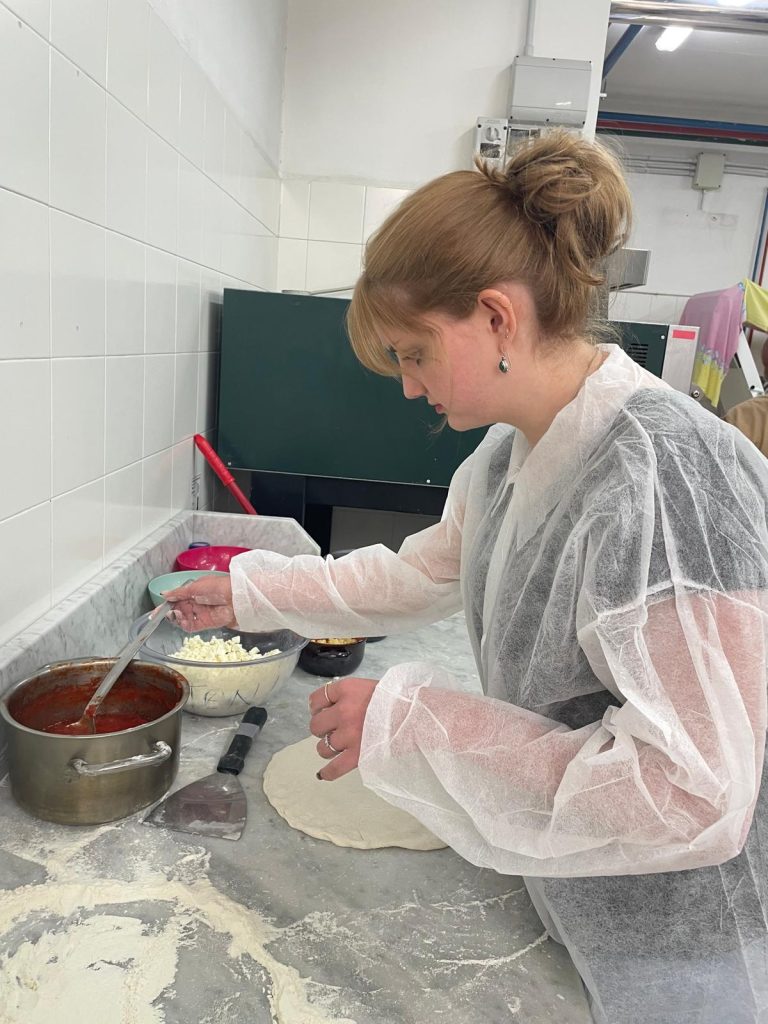
The mobility also included cultural and culinary workshops, offering participants the opportunity to discover local traditions and strengthen intercultural understanding. These moments contributed to a positive group atmosphere and helped students build friendships across countries.
The Potenza mobility represented an important milestone for the Urban Expeditio project. It provided valuable feedback for the further development and testing of project results and confirmed the potential of the Urban Expeditio methodology to make educational activities more interactive, inclusive and connected to real-life environments.