
From Blueprint to Beta: Inside the Making of the
EXPEDITIO Academy

Author:
Yaren KILIÇ
CORBIZ
Turning the City into a Classroom for Everyone
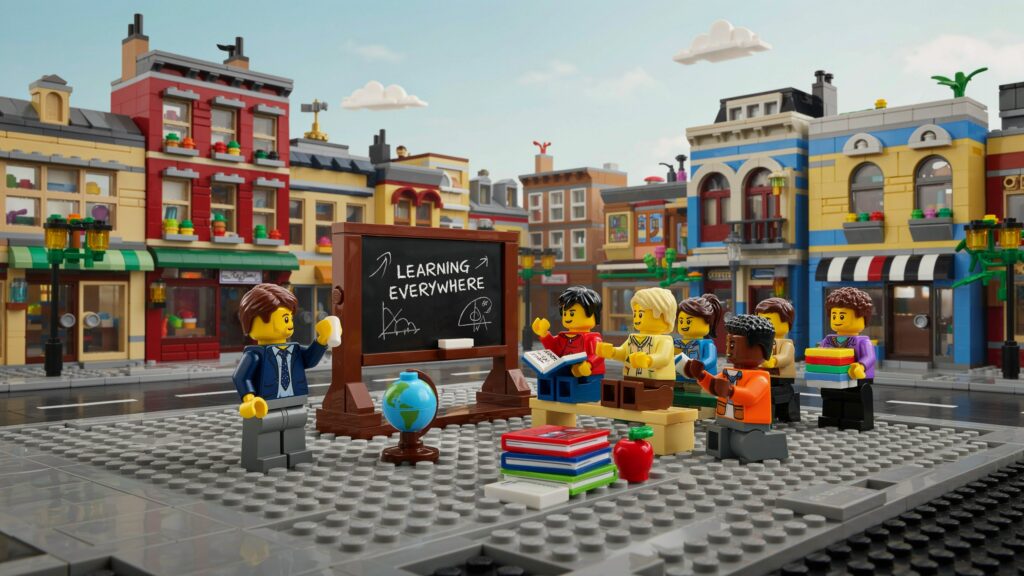
Cities offer valuable opportunities for learning beyond the classroom. Historical landmarks, public spaces and cultural sites can help students connect theoretical knowledge with real-life experiences. Through AI-assisted treasure hunts, teachers can transform urban exploration into an engaging activity that develops creativity, teamwork, problem-solving and digital skills.
However, for these experiences to be effective, they must be accessible to students with different abilities, learning preferences and levels of digital confidence.
Five Ways to Make Urban Learning More Inclusive
- Adapt Challenges to Different Learning Needs
Students have different knowledge levels and learning styles. Teachers can offer tasks with varying levels of difficulty, alternative instructions and additional hints. AI tools can help generate different versions of the same challenge, allowing students to participate at their own pace.
- Encourage Equal Participation
Teamwork is central to adventure-based learning, but every student should have a meaningful role. Assigning responsibilities such as navigator, researcher, observer or presenter helps students contribute through their individual strengths.
- Use AI Responsibly
AI can support teachers in creating questions, simplifying instructions and developing creative learning scenarios. However, AI-generated content should always be checked for accuracy, clarity and age appropriateness. Technology should support teachers, not replace their professional judgement.
- Remove Physical and Digital Barriers
Teachers should consider accessible routes, safe locations, walking distances and resting points when planning urban activities. Providing printed instructions, shared devices and offline alternatives can also help students who face difficulties accessing digital tools.
- Connect Exploration with Real-Life Issues
Urban treasure hunts can encourage students to examine their surroundings critically. Questions about public spaces, cultural heritage and accessibility help learners develop awareness of their communities while strengthening their problem-solving and active citizenship skills.
How Urban Expeditio Supports Innovative Learning
The Erasmus+ Urban Expeditio – AI-Assisted Learning Adventure project explores how artificial intelligence, urban exploration and game-based learning can create engaging educational experiences for secondary school students.
Through AI-supported treasure hunts and collaborative challenges, the project encourages digital literacy, creativity, critical thinking and teamwork. Making these activities adaptable and accessible can further strengthen their educational value and help teachers respond to diverse student needs.
Conclusion: A City Where Everyone Can Learn
AI-assisted treasure hunts can transform cities into interactive learning environments. Yet, successful learning depends not only on technology but also on thoughtful planning, collaboration and inclusion.
By adapting challenges, encouraging equal participation and removing accessibility barriers, teachers can create meaningful experiences in which every student has the opportunity to explore, contribute and learn.
An effective learning adventure is not about who reaches the destination first, but about ensuring that everyone can take part in the journey.